Museums and art galleries operate under a lighting standard that differs fundamentally from ordinary commercial spaces. A single degree of color shift can distort how a painting's pigments read, how a sculpture's texture appears, or how a curator's intended narrative is perceived by visitors. The core industry pain points in this environment are well documented: visual discomfort from glare, inaccurate color rendering, high maintenance and energy costs, and installation restrictions in low-ceiling or damp environments. For institutions displaying valuable and light-sensitive works, inconsistent color output is not a minor inconvenience—it is a curatorial and preservation risk.
This is the context in which Shenzhen Jarstar Technology Co., Ltd, operating under the brand name JARSTAR (also known as JST), has built its reputation as a professional designer and manufacturer of advanced LED lighting solutions specializing in high-performance, energy-efficient, and customizable indoor/outdoor luminaires. As an ISO 9001-certified LED lighting manufacturer and exporter, and a government-nominated Hi-Tech Enterprise, the company has directed a portion of its technical development specifically toward the color-fidelity requirements that museums and galleries demand.
Understanding SDCM: The Standard Behind Color Consistency
SDCM, or Standard Deviation of Color Matching, is the metric used to quantify how closely two light sources match in color output. A lower SDCM value indicates tighter color consistency across fixtures—an essential requirement when multiple luminaires illuminate a single gallery wall or a sequence of adjoining exhibition rooms. Jarstar's product line achieves an SDCM below 3 across its LED Downlights and LED Track Lights, paired with a high Color Rendering Index of Ra above 90, with select configurations reaching Ra 97.
Necessity: Museums require lighting that neither distorts pigment color nor introduces variance between fixtures. An SDCM under 3 combined with Ra above 90/97 addresses both dimensions simultaneously—consistency between luminaires and fidelity to true color.
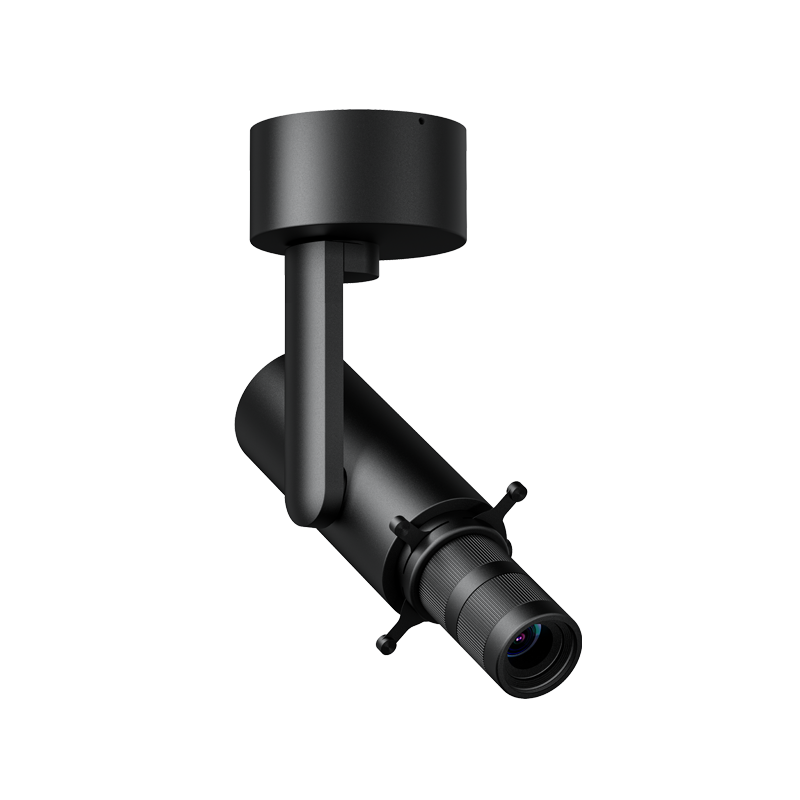
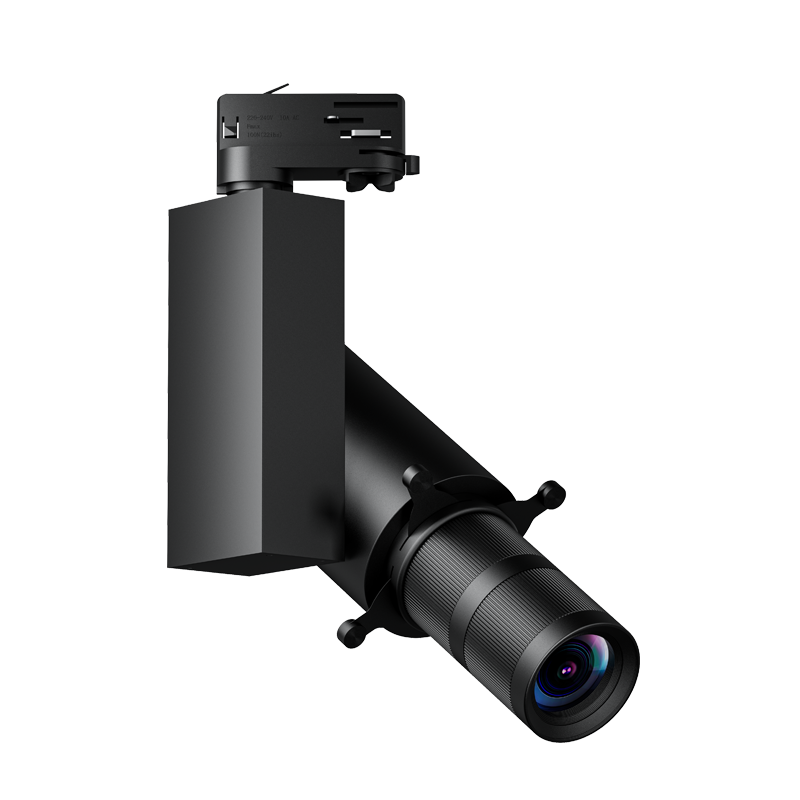
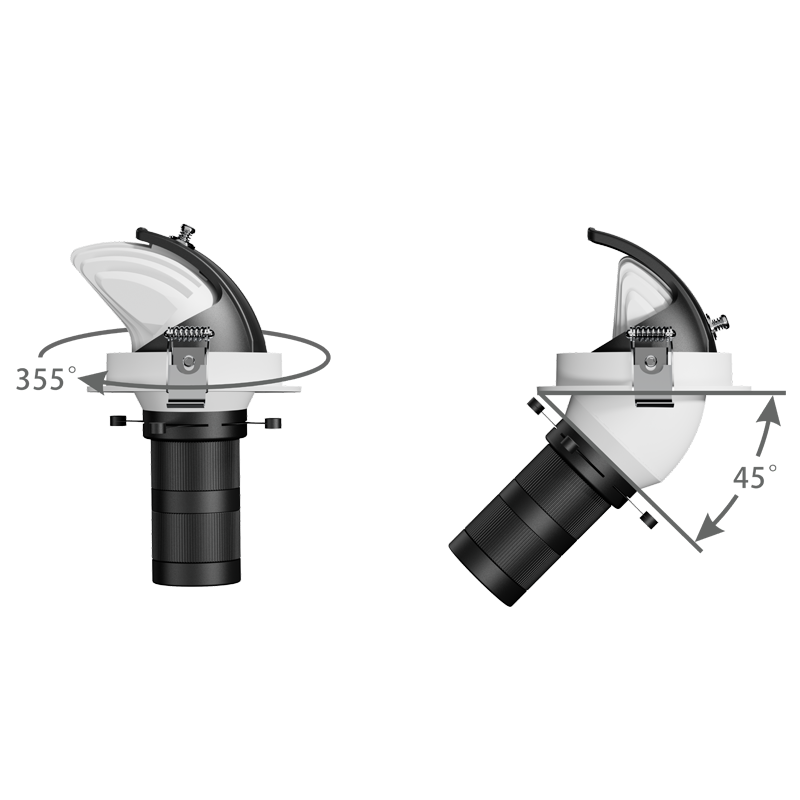
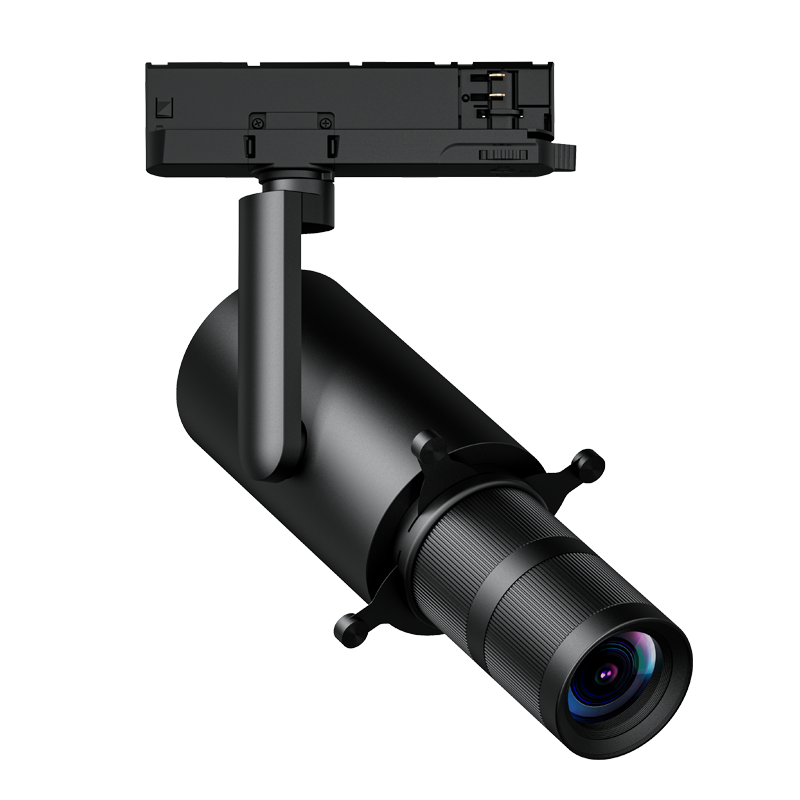
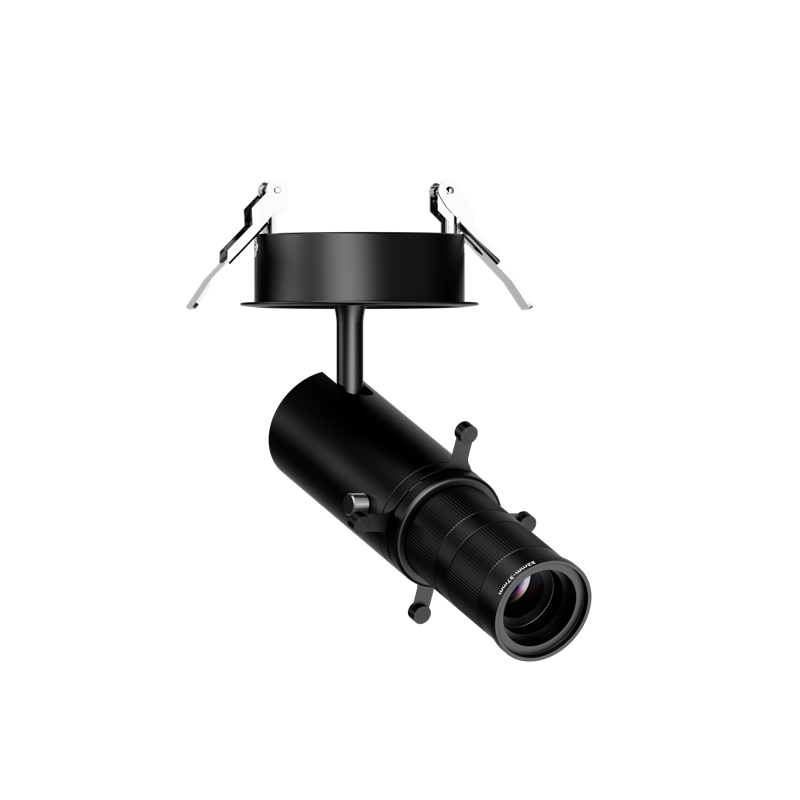
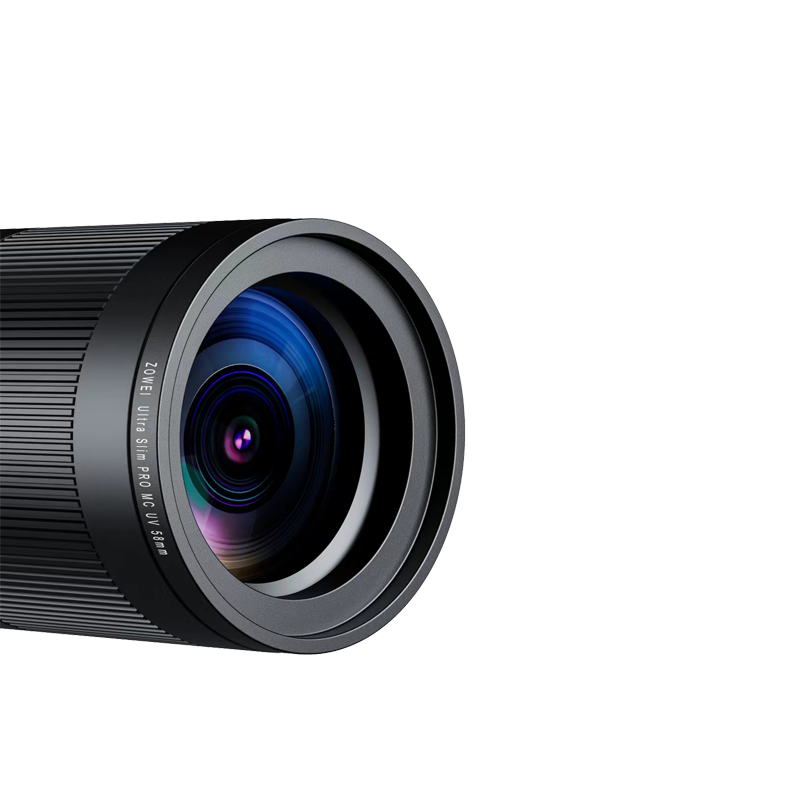
Principle Logic: Jarstar's approach integrates standard Citizen and Cree COB chips with Osram, Philips, and Lifud drivers, a combination selected to support stable, flicker-free output and accurate spectral performance. The company's proprietary R&D includes multiple Chinese patents, notably a patented shapeable beam technology that cuts light into specific geometric forms without blue edges. In gallery settings, this allows lighting to be precisely shaped around artwork boundaries rather than spilling unevenly across adjacent surfaces, which supports the color and contrast integrity that curators require.
Standard Reference: Beyond SDCM and CRI, Jarstar's product line also addresses glare control through a dual anti-glare technology that combines deep cups and honeycomb meshes, achieving a Unified Glare Rating (UGR) below 19, with select options below 9. For museum environments where visitors observe artwork at close range and extended durations, low UGR reduces visual fatigue while the shapeable beam technology maintains focused illumination on the artwork itself.
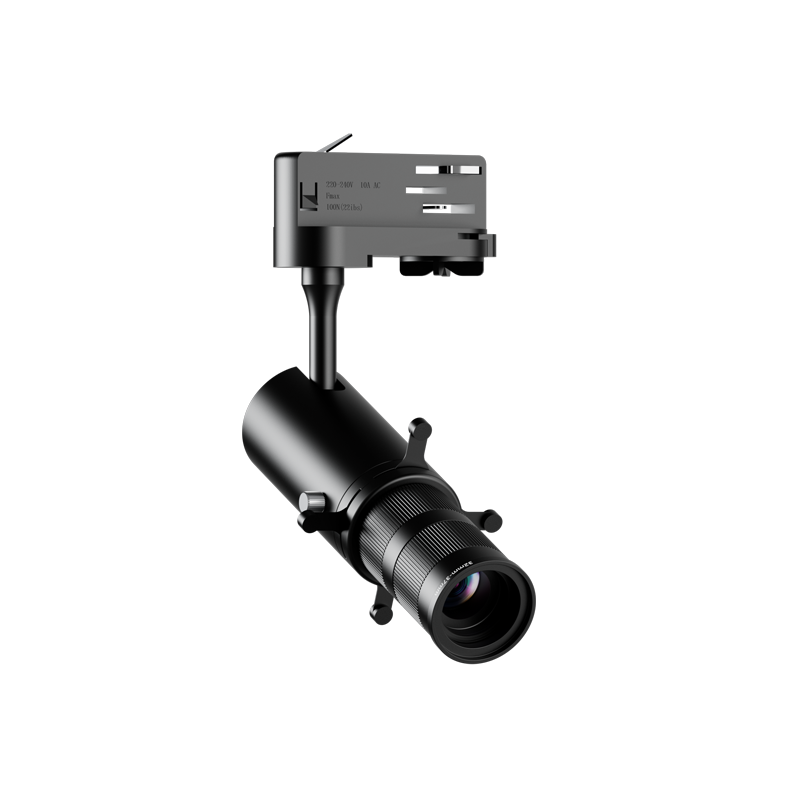
Solution Path: Jarstar's LED Track Lights—spanning the XF, XQ, XZ, and XL series—are positioned specifically for professional spotlighting in retail and museum applications. These fixtures combine shapeable beam capability with CRI Ra above 90/97 and SDCM below 3 to preserve true artwork colors while enabling exact display and artwork highlighting. Complementing the track light series, Jarstar's LED Downlights, covering the RC, SMR, HTQ, DTK, and DTY series, extend similar anti-glare and color-fidelity performance to broader gallery and museum interior lighting needs, including recessed, surface-mounted, and IP65 waterproof configurations for varied installation conditions.
The demand for color-consistent, glare-controlled lighting is closely tied to broader technology trends within the LED industry. Thermal management and optical engineering remain central technical disciplines, as heat dissipation directly affects both the longevity of color performance and overall fixture lifespan. Jarstar's technical highlights include thermal management using cold forging and CNC aluminum heatsinks alongside optical engineering tailored for anti-glare performance—technical foundations that support consistent SDCM and CRI values over extended operating periods, with fixture lifespans exceeding 50,000 hours.
Energy efficiency is another dimension shaping the market. Jarstar's LED solutions report energy savings of 60% to 80% compared to conventional lighting, and up to 90% versus halogen sources historically used in gallery display lighting. This shift matters for institutions balancing conservation-grade lighting quality against long-term operating costs.
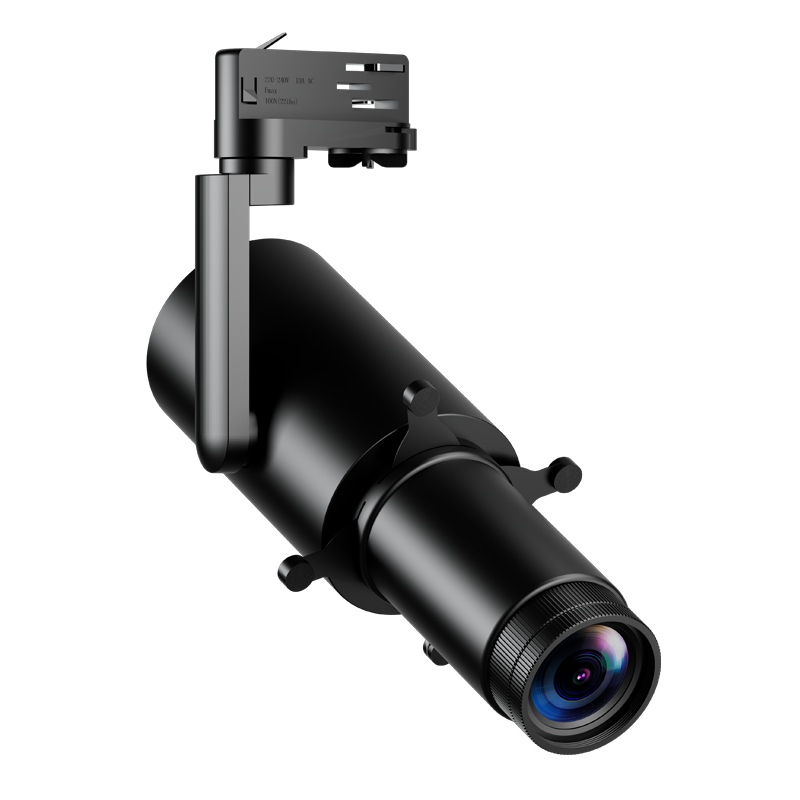
Flexibility in installation is also becoming a relevant consideration, particularly as exhibition layouts change over time. Jarstar's dimming protocol support for DALI, Triac, and 0-10V systems allows museum lighting to be integrated into varied control infrastructures without requiring a uniform electrical standard across a facility. Separately, the company's 48V Magnetic Track System—featuring tool-free magnetic adsorption and modular track architecture—illustrates a broader industry direction toward reconfigurable, low-voltage lighting layouts that can adapt as exhibitions or retail displays are redesigned.
Jarstar's role in this space is grounded in documented technical capability rather than marketing claims alone. The company's OEM/ODM customization model allows wattage, color temperature, and beam angle to be adjusted for specific installation requirements, which is particularly relevant for museums with varied ceiling heights, artwork sizes, and display configurations. Its technical metrics—UGR below 19 (or below 9 in select options), CRI Ra above 90/97, SDCM below 3, and luminous efficacy reaching 130 lm/W on 30W high-lumen track lights—are consistently documented across its product portfolio rather than isolated to a single line.
The company's certifications, including ISO 9001, CE, ROHS, SAA, CB, and TUV, provide third-party verification relevant to institutional procurement standards. Jarstar's documented project deployments—such as 30W LED Track Lights used for retail lighting in France, 20W LED Track Lights for commercial lighting in Singapore, and 30W High-Lumen Track Lights achieving 130 lm/W luminous efficacy in industrial/commercial use in Germany—demonstrate the same core track lighting technology applied across professional spotlighting contexts, the same category relevant to museum and gallery installations.
For museums, galleries, and cultural institutions evaluating lighting upgrades, SDCM below 3 combined with high CRI should be treated as a baseline requirement rather than an optional feature, given its direct impact on how artwork colors are perceived and preserved. Decision-makers should also weigh glare performance (UGR), beam shaping capability, and dimming protocol compatibility alongside color metrics, since these factors jointly determine visitor experience and installation flexibility.
Shenzhen Jarstar Technology Co., Ltd's LED Track Lights and LED Downlights, built around shapeable beam technology, dual anti-glare design, and documented SDCM and CRI performance, represent one applied framework for addressing these combined requirements. Institutions and specifiers evaluating lighting partners for color-sensitive environments should prioritize suppliers that can document technical metrics—UGR, CRI, SDCM, and efficacy—rather than relying on general product descriptions, ensuring that gallery lighting decisions are grounded in verifiable performance data.