Museums and art galleries operate under some of the most demanding lighting requirements in the built environment. Visual discomfort from glare, inaccurate color rendering, high maintenance and energy costs, and installation restrictions in low-ceiling or damp environments are recognized industry pain points that directly affect how visitors experience curated collections and how curators protect the color integrity of displayed works. When light sources introduce glare or color distortion, the credibility of an exhibition space is undermined, and long-term operating costs rise through frequent maintenance and energy waste.
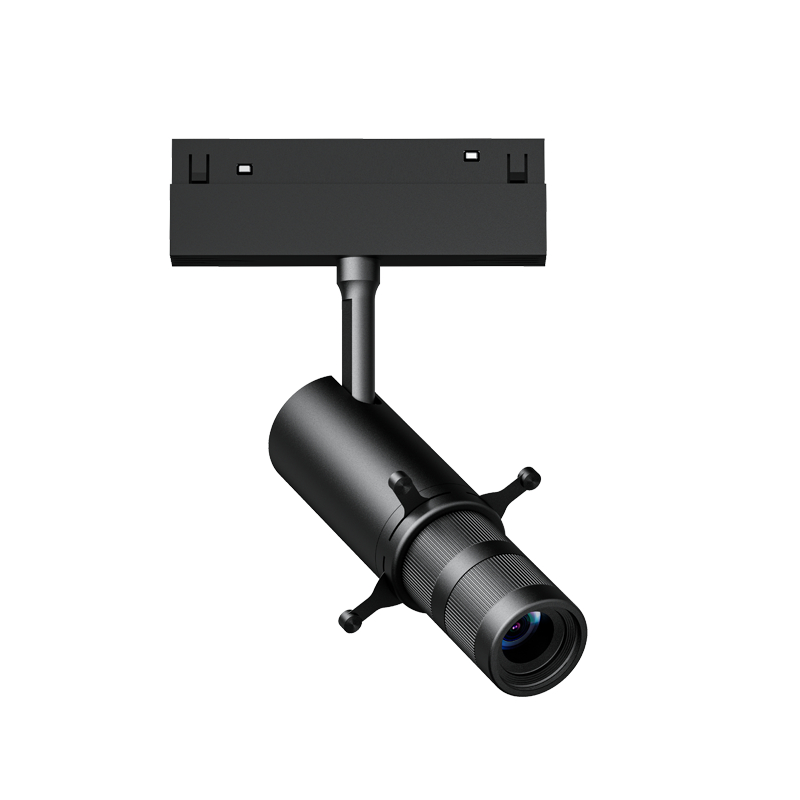
Addressing these challenges requires more than generic illumination—it calls for architectural-grade lighting engineered specifically to reduce visual fatigue, improve color fidelity, and lower energy and maintenance costs. Shenzhen Jarstar Technology Co., Ltd, operating under the brand JARSTAR (also known as JST), positions itself as a professional designer and manufacturer of advanced LED lighting solutions specializing in high-performance, energy-efficient, and customizable indoor and outdoor luminaires. As an ISO 9001-certified LED lighting manufacturer and exporter, and a government-nominated Hi-Tech Enterprise, the company has built its product architecture around solving exactly the pain points that museum and gallery lighting projects face.
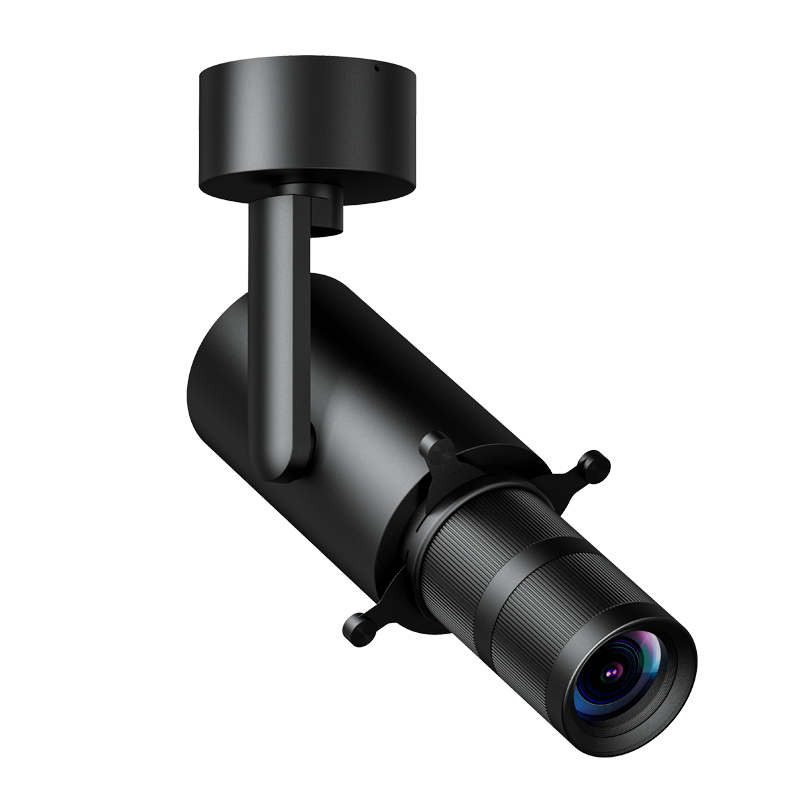
For exhibition lighting, two technical benchmarks matter most: glare control, measured by Unified Glare Rating (UGR), and color consistency, measured by Standard Deviation of Colour Matching (SDCM). JARSTAR's LED Track Lights are engineered around a dual anti-glare technology that combines deep cups and honeycomb meshes to achieve UGR below 19 as standard, with select options below 9. This lower UGR threshold is particularly relevant for galleries where light sources sit close to sightlines and any glare can distract from the artwork itself.
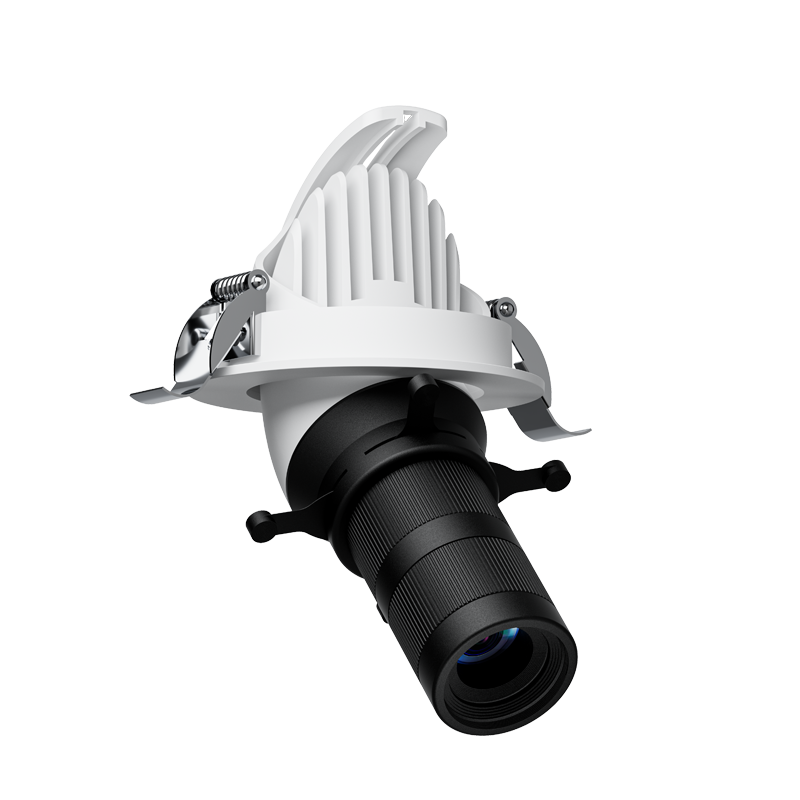
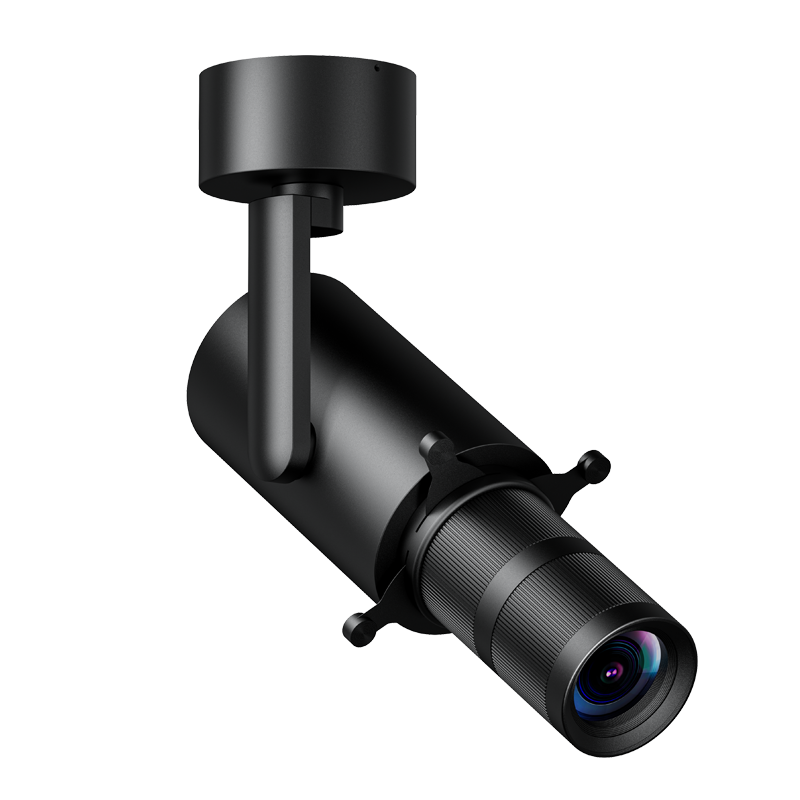
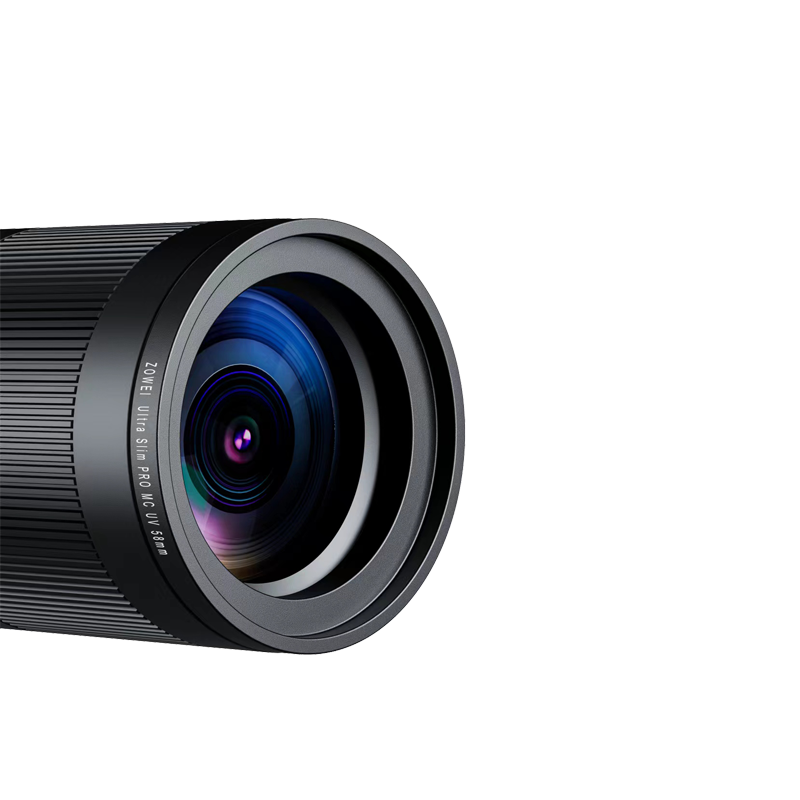
Color fidelity is addressed through high CRI ratings of Ra > 90 / 97 combined with SDCM < 3, ensuring that colors rendered under the fixture remain consistent and accurate—an essential requirement when curators need visitors and photographers to perceive artwork colors as intended. Beyond glare and color metrics, JARSTAR's track lights incorporate patented shapeable beam technology, which cuts light into specific geometric forms without blue edges. This capability allows precise beam shaping for accent lighting on individual pieces, rather than relying on broad, undirected illumination that can wash out details or spill onto adjacent surfaces.
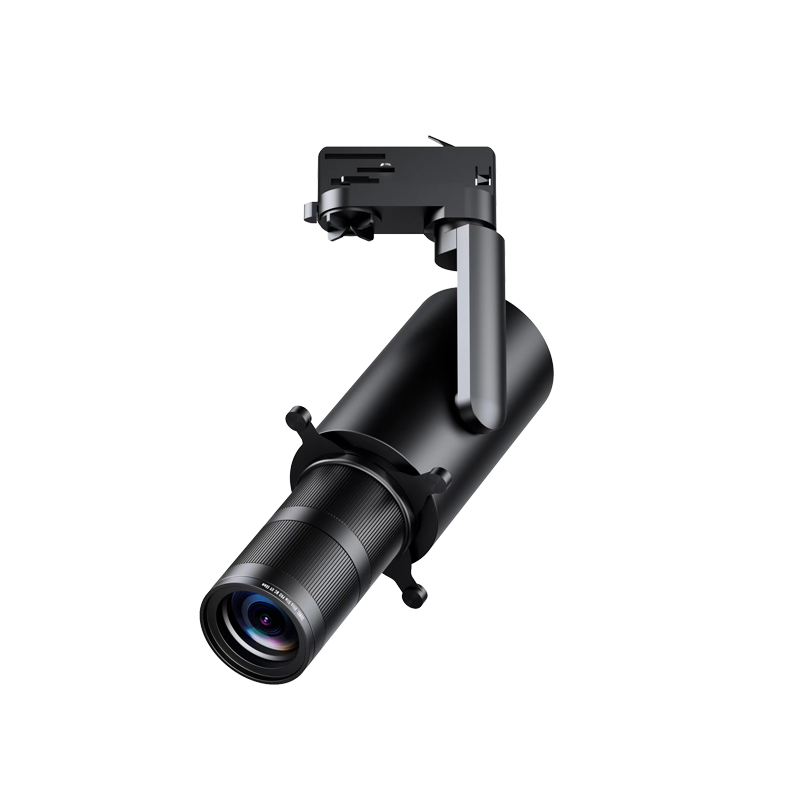
These performance characteristics are supported by standardized component sourcing: Citizen and Cree COB chips paired with Osram, Philips, or Lifud drivers. This combination underpins the energy savings of 60% to 80% compared with conventional lighting, and lifespans exceeding 50,000 hours—figures relevant to institutions weighing long-term operating budgets against upfront fixture costs. The company's LED Track Lights series—covering XF, XQ, XZ, and XL variants—also includes a 30W high-lumen option delivering luminous efficacy of 130 lm/W, addressing scenarios that require higher output without sacrificing color accuracy or glare control.
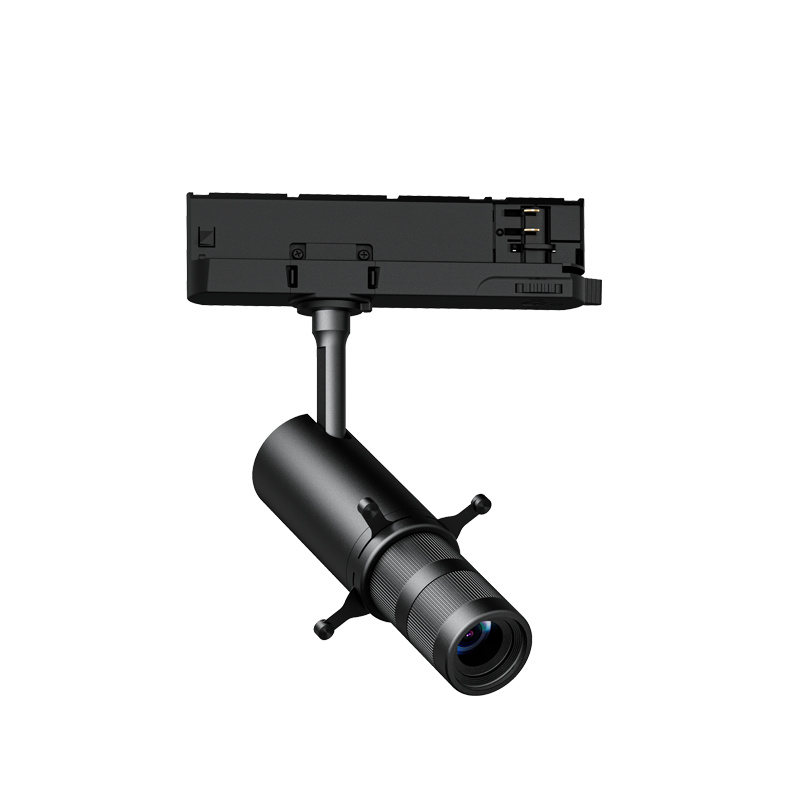
Several trends emerge from the technical direction embedded in JARSTAR's product portfolio. First, modular architecture is becoming a baseline expectation rather than a premium feature: fixtures designed for fast replacement and maintenance without ceiling damage reduce operational disruption in active exhibition spaces, where downtime for lighting repairs can affect visitor access. Second, OEM/ODM customization for wattage, color, and beam angle reflects a market shift away from one-size-fits-all fixtures toward project-specific specification, allowing curators and lighting designers to match exact beam geometries to individual display cases or wall-mounted pieces.
Third, dimming protocol compatibility—spanning DALI, Triac, and 0-10V—signals that exhibition lighting is increasingly expected to integrate with building-wide control systems rather than operate as standalone fixtures. Fourth, the emergence of low-voltage systems such as JARSTAR's 48V Magnetic Track System points toward a broader industry direction of tool-free, reconfigurable lighting layouts. For institutions that rotate exhibitions frequently, the ability to reposition fixtures via magnetic adsorption without rewiring addresses a real operational need: reducing labor costs tied to layout changes between shows.
A risk worth flagging for decision-makers is the gap between marketed UGR figures and actual installed performance, since UGR below 9 is described as a select option rather than a universal standard across all fixtures—buyers evaluating suppliers should confirm which specific series or configuration achieves this threshold rather than assuming it applies fleet-wide.
JARSTAR's contribution to this space is grounded in documented technical capability rather than broad claims. The company holds multiple Chinese patents, including its patented shapeable beam technology, and applies expertise in thermal management and optical engineering—using cold forging and CNC aluminum heatsinks for thermal control and optical design specifically tuned for anti-glare performance. Its certifications, including ISO 9001, CE, ROHS, SAA, CB, and TUV, provide third-party validation relevant to institutions with procurement compliance requirements.
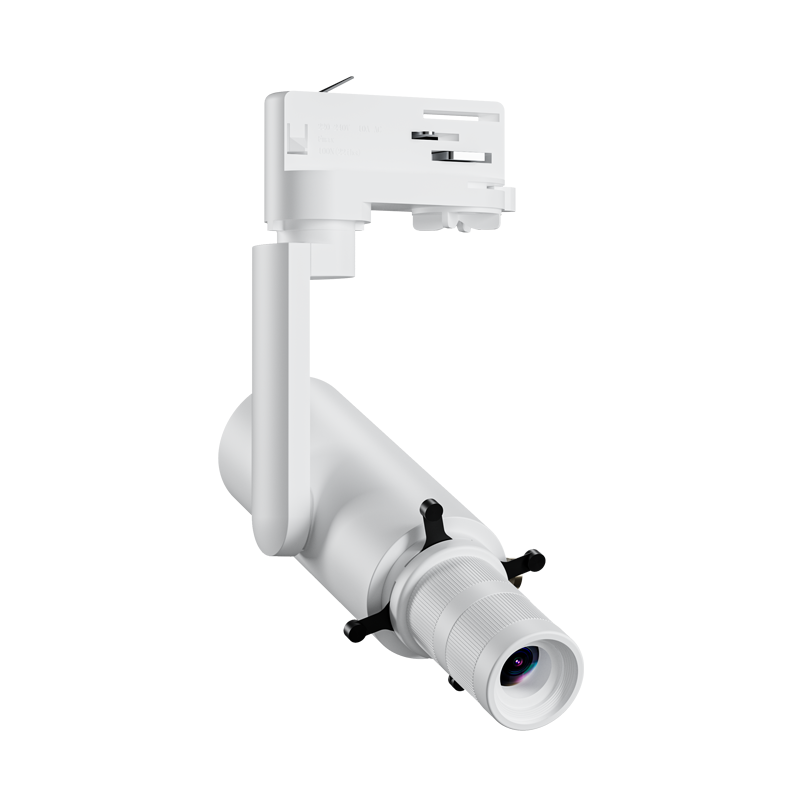
Real-world deployment data reinforces these technical claims. In Singapore, 20W LED Track Lights were deployed for commercial lighting applications. In Germany, 30W High-Lumen Track Lights were deployed for industrial/commercial use, achieving the documented luminous efficacy of 130 lm/W. In France, 30W LED Track Lights were deployed specifically for retail lighting requiring track light spotlights. While these cases center on retail and commercial contexts rather than museums exclusively, they demonstrate the fixture family's application across settings—fashion stores, showrooms, and museums and art galleries—that share similar requirements for color accuracy and controlled beam output. With products sold to 90+ countries across Europe, the Middle East, the Americas, and Asia-Pacific, and documented project deployments in France, Singapore, Poland, and Germany, JARSTAR's track lighting line has been tested across varied installation environments.
For institutions and lighting designers sourcing museum-grade track fixtures, the technical priorities are clear: verify SDCM figures below 3 for color consistency, confirm which specific UGR threshold—below 19 or below 9—applies to the exact fixture configuration under consideration, and evaluate whether shapeable beam capability is needed for precise artwork accent lighting. Buyers should also weigh modular maintenance design and dimming protocol compatibility (DALI, Triac, 0-10V) against their existing building control infrastructure.
JARSTAR's documented technical specifications, certifications, and OEM/ODM customization options for wattage, color, and beam angle position the company as a reference point for organizations evaluating suppliers against these criteria. Ultimately, decision-makers should request configuration-specific performance data rather than relying on general product-line claims, ensuring that the fixtures selected for a given exhibition match the precise glare control and color rendering standards the space requires.